Why Aluminum Tins Are a Smart Choice for Hand Cream Packaging?
From a manufacturer's perspective, aluminum cans are cost-effective in terms of production, transportation, and storage. Their lightweight nature helps reduce logistics expenses. Additionally, advantages include portability, recyclability, and greater design flexibility in appearance.

Darren Yi
yy-package@zmartechome.com
In the ever-evolving world of skincare, packaging is no longer just a vessel—it's a critical component of product performance, user experience, sustainability, and brand identity. Among personal care products, hand cream stands out as a daily essential used by millions worldwide. While traditional glass jars have long dominated the premium segment of the hand cream market, a growing number of brands are turning to aluminum tins as a more practical, sustainable, and user-friendly alternative. In this blog post, we'll explore the compelling advantages of aluminum packaging for hand cream, objectively examine the drawbacks of glass jars commonly used in the industry, and conclude with a forward-looking perspective on why this shift matters.
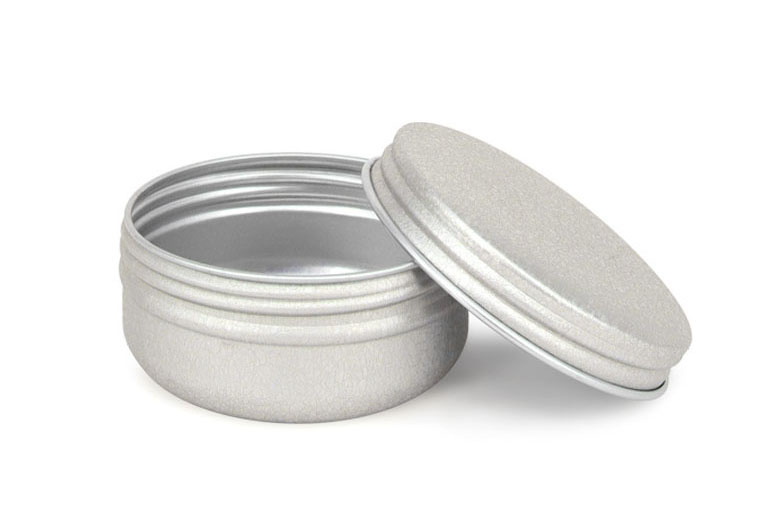
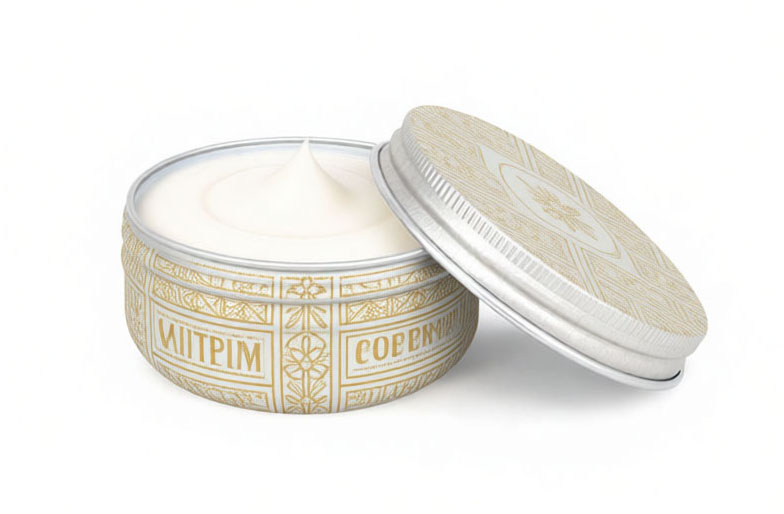
- Superior Protection and Product Integrity
- One of the primary functions of any skincare packaging is to preserve the formulation inside. Hand creams often contain active ingredients like shea butter, hyaluronic acid, vitamin E, or essential oils—all of which can degrade when exposed to air, light, or contamination.
- Aluminum tins offer excellent barrier properties: they are completely opaque, blocking 100% of UV light that can oxidize oils and destabilize emulsions. They also provide an airtight seal (especially when paired with secure screw-top or push lids), minimizing exposure to oxygen and airborne microbes. This helps maintain the cream's texture, efficacy, and shelf life.
- In contrast, glass jars—particularly clear or lightly tinted ones—allow significant light penetration, accelerating ingredient breakdown. Even amber glass only filters certain wavelengths and doesn't eliminate the risk entirely. Moreover, because most glass jars require users to dip fingers directly into the product, they introduce bacteria with every use, potentially leading to contamination and spoilage over time.
- Enhanced Portability and Durability
- Hand cream is inherently a “on-the-go” product—kept in purses, desk drawers, glove compartments, or travel kits. Here, aluminum tins shine. They are lightweight, compact, and virtually unbreakable. Unlike glass, which can crack or shatter if dropped—even from a modest height—aluminum dents at worst and remains fully functional.
- This durability makes aluminum tins ideal for travel, outdoor activities, or everyday carry. Airlines and transportation regulations also favor non-glass containers for safety reasons. For consumers who value convenience and reliability, the resilience of aluminum is a clear advantage.
- Glass jars, while elegant, are fragile and heavy. Their weight increases shipping costs and carbon footprint, and their breakability poses safety risks—especially in households with children or in high-movement environments like gyms or workplaces.
- Hygienic and Controlled Application
- Many modern aluminum tins for hand cream feature push-up or twist-up mechanisms (similar to deodorant sticks) or come with spatulas, enabling clean, tool-assisted dispensing. Even simple screw-top tins encourage users to scoop with clean tools rather than fingers, reducing cross-contamination.
- Glass jars, by design, almost always require direct finger contact. Repeatedly inserting hands—often not freshly washed—into the jar introduces bacteria, fungi, and environmental pollutants. Over time, this compromises both product safety and performance, especially in water-based or preservative-light formulations.
- While some brands include mini spatulas with glass jars, these are easily lost, forgotten, or ignored—rendering the hygiene benefit inconsistent at best.
- Sustainability and Recyclability
- Sustainability is no longer optional—it's expected. Aluminum is one of the most recyclable materials on the planet. It can be recycled indefinitely without quality loss, and recycling it uses only about 5% of the energy needed to produce new aluminum. Most municipal recycling programs accept clean aluminum tins without issue.
- Glass is also recyclable, but the reality is more complex. Colored glass (like cobalt blue or deep green)—common in luxury skincare—is often not accepted by local recyclers due to sorting limitations. Additionally, glass is heavier, increasing fuel consumption during transport and raising the overall carbon footprint. Broken glass can also contaminate recycling streams.
- Moreover, many glass hand cream jars come with mixed-material components: plastic lids, rubber seals, or decorative labels that must be removed before recycling—a step many consumers skip. Aluminum tins, by comparison, are simpler in construction and easier to recycle correctly.
- Cost Efficiency and Brand Flexibility
- From a manufacturer's standpoint, aluminum tins are cost-effective to produce, ship, and store. Their lightweight nature reduces logistics expenses, and their stackable design optimizes warehouse space. Customization options—such as embossing, printing, or matte/gloss finishes—allow brands to create distinctive, premium-looking packaging without the fragility or cost of glass.
- Glass jars, while visually appealing, involve higher material and shipping costs, greater risk of damage during production and distribution, and more complex supply chains. These factors often translate into higher retail prices—without necessarily delivering better performance or user experience.
Addressing the “Luxury Perception” Myth
It's true that glass has long been associated with luxury in skincare. The weight, clarity, and tactile feel of a glass jar convey sophistication—a perception many premium brands lean into. However, consumer values are shifting. Today's buyers increasingly prioritize functionality, sustainability, and ethical design over superficial elegance.
Forward-thinking brands are redefining luxury through thoughtful engineering, clean aesthetics, and eco-conscious choices—not just heavy glass. A well-designed aluminum tin can feel just as premium, especially when paired with minimalist typography, textured finishes, or refillable systems.
Conclusion: Rethinking What “Premium” Really Means
The choice between aluminum tins and glass jars for hand cream isn't just about looks—it's about real-world performance, hygiene, environmental impact, and user needs. While glass may win on initial visual appeal, it falters in durability, safety, and sustainability. Aluminum, on the other hand, offers a holistic solution that aligns with modern lifestyles and planetary responsibilities.
As consumers become more informed and conscientious, the skincare industry must evolve beyond tradition. Aluminum tins represent not a compromise, but a conscious upgrade—one that protects the product, respects the planet, and serves the user with intelligence and care.
In the end, true luxury isn't found in the weight of a jar, but in the thoughtfulness behind it. And when it comes to hand cream packaging, aluminum tins are proving that practicality and elegance can go hand in hand—quite literally.
This content is provided by the YYBOXES Packaging Innovation Center. We specialize in premium packaging solutions, helping brands enhance product value and strengthen market competitiveness.