Why Aluminum Tins Are an Ideal Packaging Choice for Mosquito Repellent Ointments—and Other Topical Medications?
When it comes to mosquito repellent ointments and similar drugs, aluminum tins offer a rare combination of protection, practicality, hygiene, and sustainability that few alternatives can match.

Darren Yi
yy-package@zmartechome.com
In the world of over-the-counter (OTC) healthcare and personal care products, packaging plays a far more critical role than many consumers realize. It's not just about aesthetics or branding—it directly impacts product efficacy, safety, user experience, and environmental footprint. Among topical medications, mosquito repellent ointments (often containing ingredients like DEET, picaridin, or natural oils such as citronella or eucalyptus) are commonly used in warm climates, during outdoor activities, or in tropical regions where insect-borne diseases pose real health risks. Yet, the container these ointments come in can significantly influence their performance and convenience.
Increasingly, aluminum tins are emerging as a smart, versatile, and sustainable packaging solution—not only for mosquito repellent creams but for a wide range of semi-solid pharmaceutical and dermatological products, including antiseptic ointments, healing balms, hydrocortisone creams, and even acne treatments. In this blog post, we'll explore the key advantages of using aluminum tins for mosquito medication and other topical formulations, examine why they outperform many traditional alternatives, and conclude with a broader perspective on their growing relevance in modern healthcare packaging.
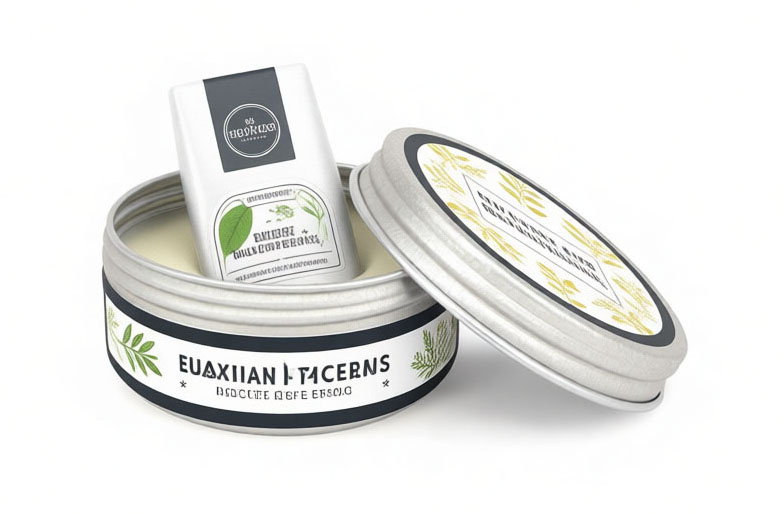
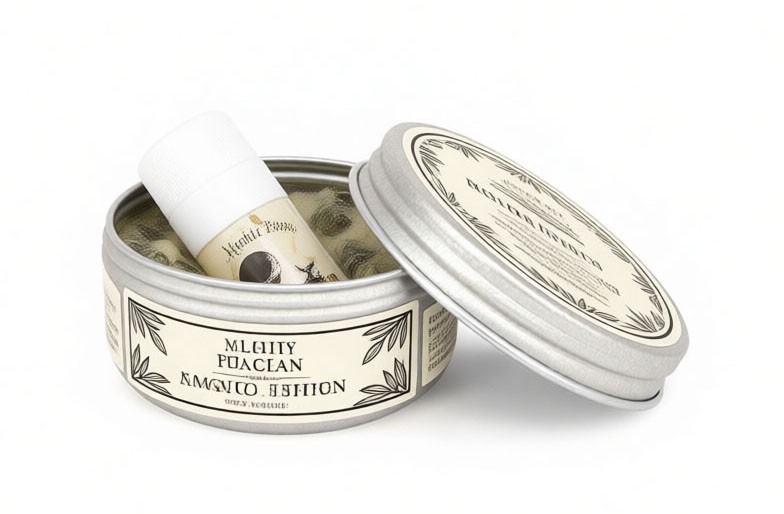
- Excellent Barrier Protection for Sensitive Formulations
- Mosquito repellent ointments and other medicated creams often contain volatile active ingredients—essential oils, alcohols, or synthetic compounds—that can degrade when exposed to light, air, or moisture. Aluminum is completely opaque and impermeable, providing a 100% barrier against UV radiation and oxygen ingress. This ensures that the active ingredients remain stable and effective throughout the product's shelf life.
- In contrast, plastic tubes or jars may allow slight permeability over time, especially with thin-walled or low-density materials. Clear containers, while visually appealing, expose light-sensitive compounds to degradation. Aluminum tins eliminate this risk entirely, preserving both potency and safety—a crucial factor for products relied upon for health protection.
- Portability, Durability, and Travel-Friendliness
- Mosquito repellents are inherently on-the-go products. They're used during camping, hiking, travel, or daily commutes in endemic areas. Aluminum tins are lightweight, compact, and virtually unbreakable—unlike glass jars, which are fragile, or rigid plastic containers that can crack under pressure.
- Their robust construction makes them ideal for inclusion in first-aid kits, backpacks, or emergency supplies. Additionally, most aluminum tins feature secure screw-top or snap-on lids that prevent leakage, even when jostled in a bag or exposed to high temperatures. This reliability is especially important in hot, humid environments where ointments may soften or melt slightly—aluminum's structural integrity keeps everything contained.
- Hygienic and Controlled Application
- Many aluminum tins for topical medications are designed for clean, tool-assisted use. Users can apply the ointment with a clean fingertip, cotton swab, or included applicator—minimizing direct contact with the entire product volume. While not as sealed as single-dose packets, this is still far more hygienic than repeatedly dipping fingers into an open jar (a common issue with some antiseptic or healing salves).
- Moreover, the smooth interior surface of aluminum doesn't harbor residues or promote bacterial growth when cleaned properly. Unlike porous plastics or textured containers, aluminum is non-reactive and easy to sanitize—making it suitable for sensitive skin applications and repeated use.
- Sustainability and Recyclability
- As environmental concerns grow, the healthcare and personal care industries face increasing pressure to adopt eco-friendly packaging. Aluminum stands out as one of the most sustainable materials available: it is infinitely recyclable without loss of quality, and recycling it saves up to 95% of the energy required for primary production.
- Most municipal recycling systems readily accept clean aluminum tins, and they don't require complex disassembly (unlike multi-layer plastic tubes with mixed materials). For brands aiming to reduce plastic waste or meet ESG goals, switching to aluminum represents a meaningful step forward.
- By comparison, many traditional ointment tubes are made from laminated plastic or aluminum-plastic composites that are difficult or impossible to recycle. Glass jars, while recyclable, are heavy and energy-intensive to produce and transport.
- Versatility Across Product Categories
- While mosquito repellent ointments benefit greatly from aluminum packaging, the advantages extend far beyond insect protection. A wide range of topical medications and skincare products are well-suited to aluminum tins:
- Antiseptic ointments (e.g., those containing neomycin or bacitracin)
- Anti-itch creams (e.g., calamine or hydrocortisone formulations)
- Healing balms for cuts, burns, or chapped skin (often with lanolin or beeswax bases)
- Acne spot treatments with benzoyl peroxide or salicylic acid
- Natural remedies like arnica gel or essential oil blends
These products share common needs: stability, portability, hygiene, and precise dosing—all of which aluminum tins support effectively. The format also allows for clear labeling of usage instructions, warnings, and expiration dates directly on the lid or base, enhancing compliance and safety.
Addressing Potential Limitations
It's important to acknowledge that aluminum isn't universally perfect. For highly acidic or alkaline formulations, there's a theoretical risk of reactivity—though this is mitigated by internal coatings (such as food-grade lacquers) commonly applied in pharmaceutical-grade tins. Additionally, aluminum tins are not ideal for liquid medications, as they lack the precision dispensing of droppers or pumps. However, for semi-solid, (paste-like or balm-type) formulations, they are exceptionally well-matched.
Cost can also be a consideration: custom aluminum tins may have higher upfront tooling expenses than mass-produced plastic tubes. But for small-batch, premium, or specialty brands, the long-term benefits in brand perception, sustainability, and user satisfaction often outweigh initial costs.
Conclusion: A Thoughtful Choice for Health, Convenience, and Planet
Packaging is an invisible yet vital part of any topical medication's journey—from manufacturer to patient. When it comes to mosquito repellent ointments and similar drugs, aluminum tins offer a rare combination of protection, practicality, hygiene, and sustainability that few alternatives can match.
They protect active ingredients from degradation, survive the rigors of travel and daily use, reduce environmental impact, and adapt seamlessly across a spectrum of dermatological applications. As consumers become more conscious of both personal health and planetary well-being, the demand for intelligent, responsible packaging will only grow.
Aluminum tins may not be the flashiest option on the shelf—but they are, without doubt, one of the smartest. In an era where efficacy and ethics must go hand in hand, choosing aluminum isn't just practical—it's progressive. And for a product meant to guard your health outdoors, that's a container you can trust—with confidence, convenience, and conscience.
This content is provided by the YYBOXES Packaging Innovation Center. We specialize in premium packaging solutions, helping brands enhance product value and strengthen market competitiveness.