Why Aluminum Tins Are an Excellent Choice for Lip Balm Packaging?
While plastic tubes and twist-up sticks dominate the market, a growing number of conscious brands and consumers are turning to aluminum tins as a practical, sustainable, and elegant alternative for lip balm packaging.

Darren Yi
yy-package@zmartechome.com
In the ever-evolving world of personal care and cosmetics, packaging is no longer just a container—it's a critical extension of product performance, user experience, brand identity, and environmental responsibility. Among everyday essentials, lip balm stands out as a universally used item, cherished for its ability to soothe, protect, and nourish delicate lip skin. While plastic tubes and twist-up sticks dominate the market, a growing number of conscious brands and consumers are turning to aluminum tins as a practical, sustainable, and elegant alternative for lip balm packaging.
This blog explores the key advantages of using aluminum tins for lip balm—covering functionality, hygiene, sustainability, and versatility—while maintaining an objective perspective on their suitability. We'll also briefly touch on how this format compares to more common alternatives, and conclude with a forward-looking reflection on why thoughtful packaging matters.

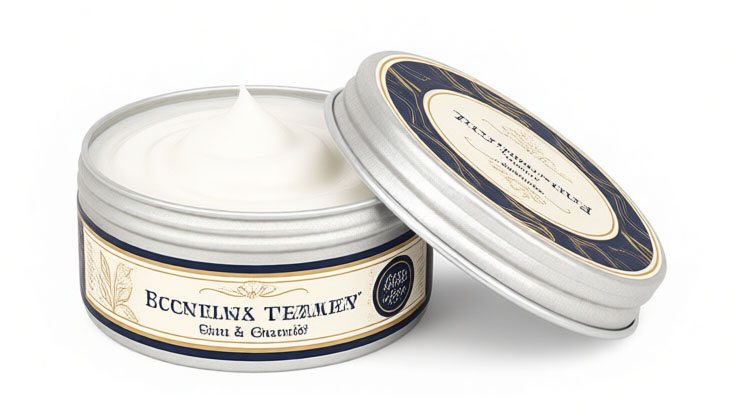
- Superior Protection for Sensitive Formulations
- Lip balms often contain natural but delicate ingredients such as beeswax, shea butter, coconut oil, vitamin E, and essential oils. These components can degrade when exposed to light, heat, or air, leading to rancidity, texture changes, or loss of efficacy.
- Aluminum tins provide complete opacity and an excellent moisture barrier, shielding the product from UV radiation and oxygen. Unlike clear plastic pots or glass jars—which allow light penetration—aluminum ensures the integrity of light-sensitive oils and antioxidants over time. This is especially important for organic or preservative-free formulations that rely on ingredient stability rather than chemical stabilizers.
- Moreover, high-quality aluminum tins feature tight-fitting lids that minimize air exposure during storage, helping maintain freshness and extending shelf life without compromising the clean-label appeal many consumers seek.
- Portability, Durability, and Travel-Friendliness
- Lip balm is inherently a “pocket-sized” product—carried in purses, backpacks, jacket pockets, or gym bags. Aluminum tins excel in this context: they are lightweight, compact, and virtually unbreakable. Unlike glass (which can shatter) or thin plastic (which can crack or warp), aluminum withstands daily wear and tear with ease.
- Their flat, stackable shape makes them easy to organize, and their smooth edges prevent snagging in fabric. For travelers, aluminum tins are TSA-friendly and pose no leakage risk when properly sealed—ideal for long flights or outdoor adventures where dry, chapped lips are a constant concern.
- Additionally, because most aluminum tins are shallow and wide, users can easily access the product with a fingertip or reusable applicator, even in cold weather when precision matters.
- Hygienic and User-Controlled Application
- One common critique of pot-style lip balms is hygiene—dipping fingers directly into the product can introduce bacteria, especially if hands aren't clean. However, this concern applies equally (or more so) to shared-use products or poorly designed containers.
- The reality is that with mindful use, aluminum tins can be just as hygienic—if not more so—than other formats. Many users apply balm with clean fingertips, cotton swabs, or dedicated lip brushes. The smooth interior surface of aluminum doesn't harbor residues and is easy to wipe clean if needed.
- Furthermore, unlike twist-up plastic sticks—which can accumulate grime in the mechanism or become difficult to retract—aluminum tins have no moving parts to trap dirt or malfunction. Their simplicity translates to reliability and ease of maintenance.
- Sustainability and Environmental Responsibility
- As consumer awareness of plastic pollution grows, demand for eco-friendly alternatives has surged. Here, aluminum tins offer a compelling advantage.
- Aluminum is infinitely recyclable without loss of quality, and recycling it uses only about 5% of the energy required to produce new metal from raw ore. Most curbside recycling programs accept clean aluminum tins without issue—unlike multi-layer plastic tubes, which are often non-recyclable due to mixed materials.
- Even when compared to bioplastics or “compostable” packaging (which require industrial facilities to break down), aluminum has a clearer end-of-life pathway in most regions. For brands committed to reducing single-use plastic, switching to aluminum aligns with genuine circular economy principles—not just greenwashing.
- It's worth noting that some aluminum tins may include a thin food-grade lacquer lining to prevent interaction with certain oils. Reputable manufacturers use BPA-free, phthalate-free coatings that don't compromise recyclability when properly processed.
- Customization, Aesthetics, and Brand Differentiation
- Despite their utilitarian reputation, aluminum tins can be strikingly beautiful. Their metallic surface lends itself to a range of finishes—matte, glossy, brushed, or anodized—and supports high-quality printing, embossing, or laser engraving.
- For indie beauty brands, this offers a cost-effective way to create premium-looking packaging without the fragility or weight of glass. Minimalist designs, earthy tones, or bold typography can all be executed cleanly on aluminum, reinforcing brand values like simplicity, nature, or craftsmanship.
- Moreover, the tactile feel of a cool, smooth metal tin conveys quality and intentionality—qualities increasingly valued by discerning consumers who prioritize both performance and ethics.
Addressing Common Concerns
Critics sometimes argue that pot-style balms (including those in aluminum tins) encourage over-application or waste compared to precise stick formats. While this can be true for some users, it's largely a matter of habit—and many find the richer, more emollient texture of tin-based balms preferable for overnight treatments or severely dry lips.
Others worry about metal reacting with ingredients. In practice, pharmaceutical- and cosmetic-grade aluminum tins are specifically engineered for compatibility with oils, waxes, and butters. Decades of use in pharmaceutical ointments, salves, and cosmetics confirm their safety and inertness when properly manufactured.
Conclusion: Thoughtful Packaging for Everyday Care
Lip balm may seem like a small thing—but in a world grappling with waste, climate impact, and health-conscious consumption, even the smallest choices matter. Aluminum tins represent a packaging solution that harmonizes function, sustainability, and elegance without compromise.
They protect delicate formulations, endure daily use, reduce plastic dependency, and offer brands a canvas for authentic storytelling. While twist-up sticks and plastic pots won't disappear overnight, the rise of aluminum tins reflects a broader shift toward mindful design—one that respects both people and the planet.
In the end, the best lip balm isn't just about what's inside—it's also about the container that delivers it. And when that container is a well-crafted aluminum tin, you're not just caring for your lips; you're participating in a more responsible, intentional way of living. That's a choice worth making—one swipe at a time.
This content is provided by the YYBOXES Packaging Innovation Center. We specialize in premium packaging solutions, helping brands enhance product value and strengthen market competitiveness.