Why Aluminum Tins Are the Ideal Packaging Solution for Sample-Size Products
Whether it's a luxury hand cream, a rare single-origin tea, or a new eyeshadow palette, sample-sized products—often called “travel sizes,” “trial kits,” or “miniatures”—offer customers a low-risk way to experience a brand before committing to a full-size purchase.

Darren Yi
yy-package@zmartechome.com
In today's fast-paced consumer landscape, trial and discovery drive purchasing decisions more than ever. Whether it's a luxury hand cream, a rare single-origin tea, or a new eyeshadow palette, sample-sized products—often called “travel sizes,” “trial kits,” or “miniatures”—offer customers a low-risk way to experience a brand before committing to a full-size purchase. But while the product inside matters, the container it comes in plays an equally crucial role in shaping first impressions, preserving quality, and reflecting brand values.
Enter the small aluminum tin: a compact, versatile, and sustainable packaging format that's gaining traction across beauty, wellness, food, and lifestyle industries. From hand cream samplers to loose-leaf tea trials and makeup minis, aluminum tins are proving to be far more than just a cute novelty—they're a smart, functional, and eco-conscious choice for sample distribution. In this blog post, we'll explore the key advantages of using small aluminum tins for trial-sized products, examine real-world applications across categories, and conclude with a broader perspective on why this packaging trend is here to stay.
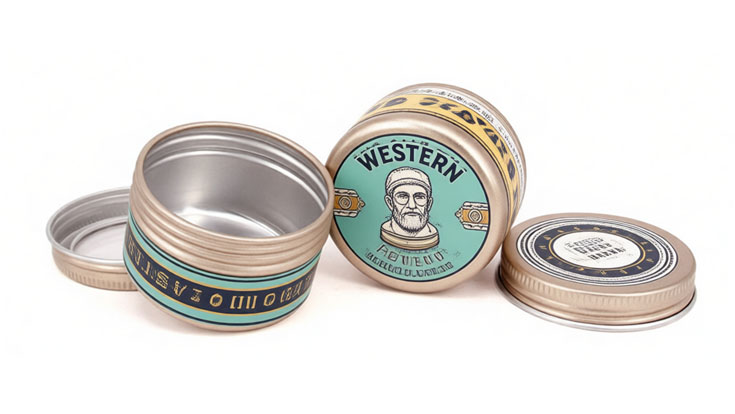
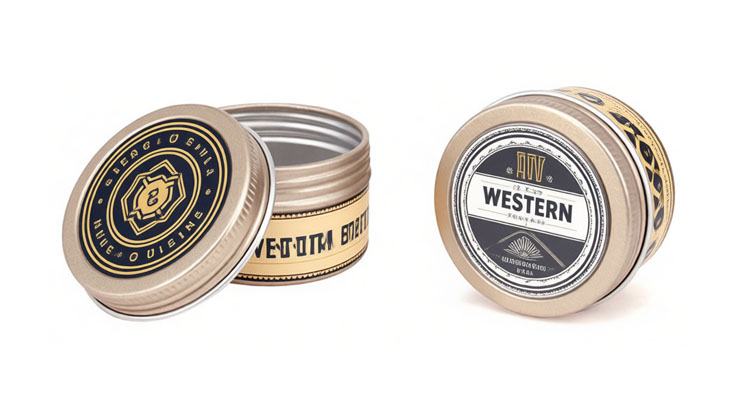
- Excellent Product Protection in a Miniature Format
- Sample products are often exposed to more handling, temperature fluctuations, and storage variability than their full-size counterparts—shipped in mailers, tossed in purses, or displayed on crowded counters. This makes barrier performance critical, especially for sensitive formulations.
- Aluminum tins provide complete opacity, moisture resistance, and an effective oxygen barrier, making them ideal for:
- (1).Hand cream or body balm samples, which can oxidize or dry out if exposed to air.
- (2).Loose-leaf tea or herbal blends, where aroma and freshness degrade rapidly with light or humidity exposure.
- (3).Cream-based makeup samples (e.g., concealer, highlighter, or pigment pots), which rely on stable emulsions and can spoil if contaminated.
- Unlike clear plastic vials or flimsy sachets, aluminum tins shield contents from UV light and environmental stressors—ensuring the trial experience accurately reflects the full product's quality.
- Portability and Durability for On-the-Go Trials
- One of the main purposes of a sample is to be used in real life—not just admired on a shelf. Small aluminum tins excel in portability:
- (1).They're lightweight yet sturdy, resisting cracks, leaks, or crushing during shipping or travel.
- (2).Their flat, stackable shape fits easily into pockets, cosmetic bags, or sample kits.
- (3).Unlike glass vials (which pose breakage risks) or thin plastic pots (which warp or pop open), aluminum maintains integrity under pressure.
- For brands offering “try-before-you-buy” programs or hotel welcome amenities, durability reduces waste from damaged goods and enhances user satisfaction.
- 3. Hygiene and Controlled Usage
- Hygiene is a major concern with shared or multi-use samples—especially in post-pandemic consumer culture. Aluminum tins support cleaner usage in several ways:
- (1).Their smooth, non-porous interior doesn't trap residues or harbor bacteria.
- (2).Users can apply product with clean fingers, cotton swabs, or included applicators—minimizing direct contamination.
- (3).Unlike open sachets (which must be used all at once) or pump testers (which can't be sanitized between users), sealed aluminum tins offer a single-user, resealable experience.
- This is particularly valuable for skincare and makeup trials, where product integrity directly impacts skin health and brand trust.
- Sustainability: A Genuine Step Toward Reducing Waste
- (1).The rise of samples has unfortunately contributed to a surge in single-use plastic waste—from tiny plastic jars to non-recyclable foil pouches. Aluminum tins offer a compelling alternative.
- (2).Aluminum is infinitely recyclable without quality loss, and recycling it saves up to 95% of the energy needed for primary production. Most municipal recycling systems accept clean aluminum tins without special processing—unlike laminated plastics or mixed-material containers commonly used for samples.
- (3).Moreover, because aluminum tins are reusable, many consumers repurpose them for storing jewelry, pills, spices, or DIY blends—extending their lifecycle far beyond the initial trial. This aligns with the growing consumer preference for “zero-waste” or “refillable” mindsets.
- (4).Brands that choose aluminum for samples signal environmental responsibility—not as a marketing gimmick, but as a tangible action.
- Versatility Across Industries and Product Types
- The beauty of small aluminum tins lies in their cross-category adaptability. Here are just a few real-world applications:
- Beauty & Skincare: Hand cream minis, lip balms, solid perfumes, face masks, or balm cleansers.
- Cosmetics: Cream eyeshadows, pigment pots, brow waxes, or highlighter samples.
- Wellness & Aromatherapy: Essential oil blends, salves, or herbal rubs.
- Food & Beverage: Single-serve loose-leaf teas, spice blends, matcha, or gourmet salts.
- Lifestyle: Candle wax melts, incense cones, or solid room fresheners.
- Their neutral aesthetic also allows for easy customization—via printing, embossing, or labeling—to match any brand identity, from minimalist apothecary to bold indie beauty.
- Cost-Effectiveness and Brand Perception
- While aluminum may carry a slightly higher upfront cost than basic plastic, its benefits often justify the investment—especially for premium or DTC (direct-to-consumer) brands. Small aluminum tins:
- (1).Reduce shipping costs due to lightweight design.
- (2).Minimize product damage and returns.
- (3).Enhance perceived value through tactile, premium feel.
- (4).Support storytelling around sustainability and craftsmanship.
- In a crowded market, a well-designed sample in an aluminum tin can leave a lasting impression—turning a one-time trial into a loyal customer.
Addressing Practical Considerations
It's fair to note that aluminum tins aren't suitable for all sample types. Liquid products (like serums or toners) require leak-proof closures that standard tins may not provide—though specialized versions with gaskets exist. Additionally, very small quantities (under 2g) might be better served by blister packs for portion control.
However, for semi-solid, powdered, or dry goods in the 3g-15g range, aluminum tins strike an optimal balance of function, form, and sustainability.
Conclusion: Small Tins, Big Impact
In an age where consumers demand authenticity, convenience, and environmental accountability, the humble aluminum sample tin emerges as a quiet hero of modern packaging. It protects product integrity, travels effortlessly, supports hygiene, and offers a genuinely recyclable—and often reusable—alternative to disposable plastics.
More than just a container, it's a statement: that even the smallest interaction with a brand deserves thoughtfulness. Whether holding a dollop of nourishing hand cream, a pinch of rare white tea, or a swipe of shimmering pigment, the aluminum tin ensures the trial experience is as intentional as the product itself.
As brands continue to innovate in sampling strategies—from subscription boxes to in-store testers—the small aluminum tin stands ready: durable, elegant, and aligned with the values of a more conscious marketplace. After all, great things often come in small packages—and when that package is made of aluminum, it leaves a lighter footprint, too.
This content is provided by the YYBOXES Packaging Innovation Center. We specialize in premium packaging solutions, helping brands enhance product value and strengthen market competitiveness.